When it comes to building structures in seismically active regions, one of the key considerations is ensuring the safety and stability of the building during an earthquake. This is where seismic bracing systems come into play. A seismic bracing system is a set of components installed within a building to improve its ability to withstand the lateral forces generated by an earthquake. These systems are vital in preventing damage to the building and ensuring the safety of its occupants.
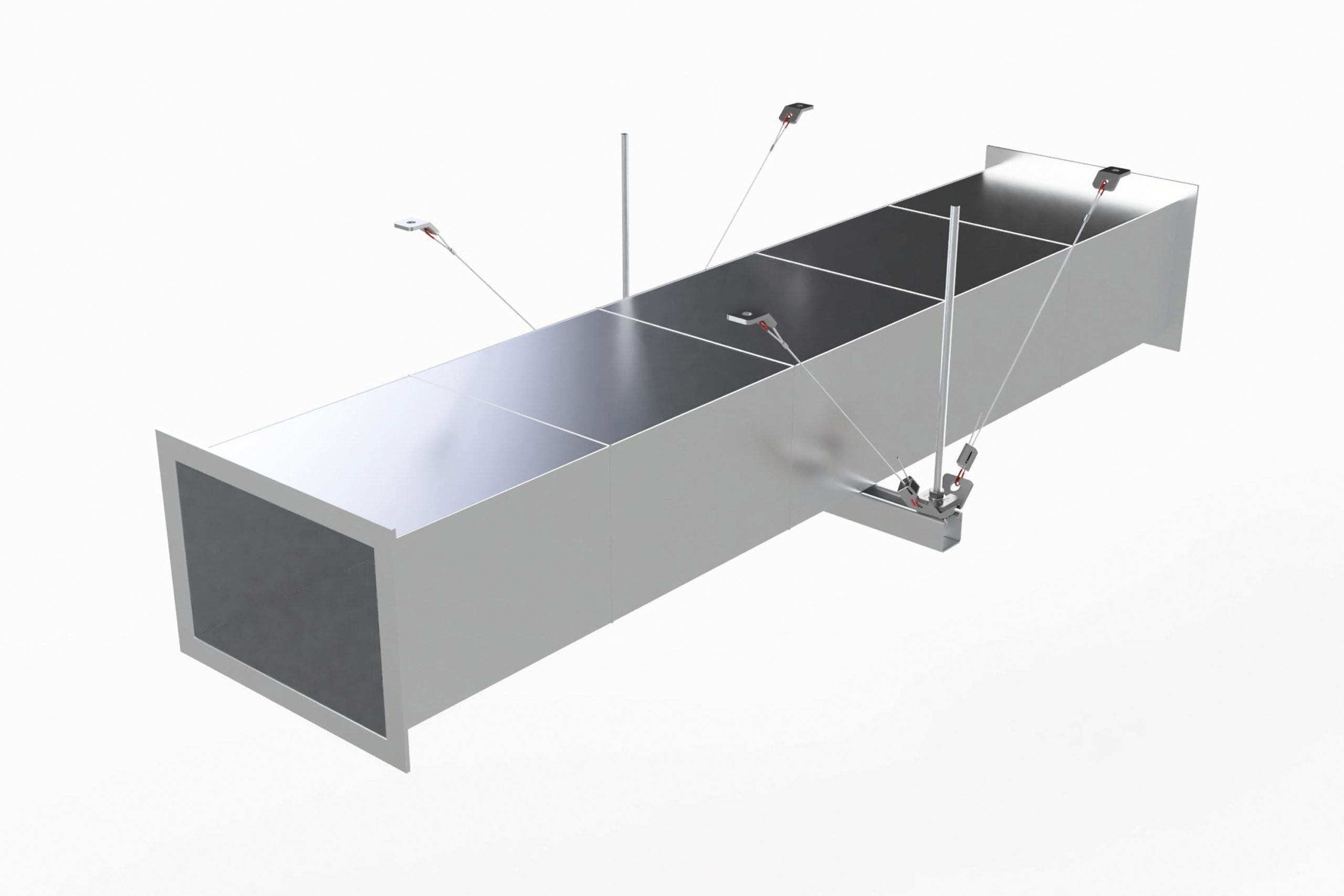
The primary function of a seismic bracing system is to provide lateral support to the structure during an earthquake. Lateral forces, also known as seismic forces, are generated by the movement of the ground during an earthquake. These forces can cause a building to sway or even collapse if it is not properly braced. A seismic bracing system helps distribute these forces throughout the building, reducing the overall impact on the structure.
There are several components that make up a seismic bracing system. One of the most common elements is the use of braces – typically made of steel or other sturdy materials – that are installed within the building to provide additional support. These braces are designed to absorb and dissipate the energy generated by an earthquake, thereby reducing the strain on the building.
In addition to braces, seismic bracing systems may also include base isolators, dampers, and other structural elements that help improve the building’s overall stability. Base isolators, for example, are devices that are placed between the building’s foundation and structure to absorb the shock of an earthquake and minimize the impact on the building. Dampers, on the other hand, are devices that help dissipate energy and reduce the building’s movement during an earthquake.
The importance of seismic bracing systems cannot be overstated, especially in regions prone to seismic activity. Without a properly installed system, a building is at a higher risk of sustaining significant damage during an earthquake. In extreme cases, the building may even collapse, leading to loss of life and property.
It is crucial for architects, engineers, and builders to carefully consider the design and installation of seismic bracing systems in any new construction project. By incorporating these systems into the building’s design from the outset, they can help ensure the structure’s resilience in the face of an earthquake.
In addition to new construction, retrofitting existing buildings with seismic bracing systems is also essential. Older buildings that were not originally designed to withstand seismic forces are particularly vulnerable during an earthquake. Retrofitting these structures with seismic bracing systems can help improve their stability and reduce the risk of damage.
Overall, seismic bracing systems play a crucial role in ensuring the safety and stability of buildings in seismically active regions. By distributing lateral forces, absorbing energy, and reducing movement during an earthquake, these systems help protect both the building and its occupants. Whether in new construction or retrofitting existing structures, investing in a seismic bracing system is a critical component of disaster preparedness and building resilience.
In conclusion, the importance of seismic bracing systems cannot be overstated when it comes to building structures in seismically active regions. These systems help distribute lateral forces, absorb energy, and reduce movement during an earthquake, ultimately improving the safety and stability of the building. Whether in new construction or retrofitting existing structures, seismic bracing systems are a vital component of disaster preparedness and building resilience.